
Nine electronic logging devices were revoked on February 12, 2026. FMCSA's new MOTUS registration system is rolling out. A household goods knowledge exam is on the horizon. And broker transparency rules are tightening. If you run a moving company, 2026 is the most regulation-heavy year in a decade.
The problem: most of this information is scattered across Federal Register dockets, FMCSA press releases, and industry association newsletters that nobody reads. No single source lays out what's changing, when it takes effect, and what you actually need to do.
This is that source. Every major FMCSA change affecting movers in 2026, organized by deadline.
The 2026 Timeline: What's Coming and When
Let's break each of these down.

9 ELDs Revoked: Check Your Devices Now
On February 12, 2026, FMCSA removed nine electronic logging devices from the registered ELD list. The devices failed to meet minimum requirements under 49 CFR Appendix A to Subpart B of Part 395.
The revoked devices:
- GTS ELD (Model 213W01) — Global Telecommunication Services, Inc.
- UTRUCKIN (Model PT30) — UTRUCKIN INC
- ELD365 ELOG (formerly ELOG365)
- IRONMAN ELD (Model IRON300)
- FACTOR ELD (now Host ELD)
- AirELD — four models: ARELD1, ARELD2, ARELD3, ARELD4
What You Need to Do
Deadline: April 14, 2026. If any of your trucks use these devices, you must replace them with a device from FMCSA's registered ELD list before that date. Until the replacement is installed, drivers must revert to paper logs or logging software.
After April 14, any driver caught using a revoked device will be cited under 49 CFR 395.8(a)(1) — "No record of duty status" — and placed out-of-service under CVSA criteria. That means the truck stops where it is until the driver has a compliant ELD or paper logs.
This Isn't an Isolated Event
ELD revocations surged in late 2025 and early 2026. FMCSA removed 6 devices in October 2025, 5 more in November, 3 in December, 4 in January 2026, and now 9 in February. Check the full revoked ELD list regularly — the pace is accelerating.

MOTUS: FMCSA's New Registration System
MOTUS replaces the decades-old FMCSA Portal and Unified Registration System (URS). It consolidates USDOT number registration, biennial updates, operating authority applications, and insurance filings into a single, modern dashboard.
What's Happening and When
Phase 1 (launched December 8, 2025): Supporting companies — BOC-3 filers, insurance companies, surety providers, and financial institutions — received limited access to create user profiles and business accounts on motus.dot.gov.
Phase 2 (mid-to-late 2026): Full launch for all motor carriers, brokers, freight forwarders, and new registrants. No firm date yet, but FMCSA indicated they'll begin significant URS changes in March 2026, including updated procedures for granting, suspending, and revoking registration.
What's Different About MOTUS
MOTUS uses Login.gov for authentication and IDEMIA for identity verification. That means document capture and verification — designed to prevent the fraudulent registrations that have plagued the current system. It also includes advanced business address validation.
What You Should Do Now
Update your current FMCSA Portal account so your information is accurate when you need to claim your existing USDOT number in the new system. If your address, insurance, or contact info is outdated, fix it before the migration starts. Once MOTUS opens to all carriers, you'll need to create an account, verify your identity, and claim your USDOT number — a process that's smoother if your data is already clean.

Household Goods Knowledge Exam: What We Know
The MAP-21 legislation (passed in 2012) authorized FMCSA to require a proficiency examination before anyone can register as a household goods motor carrier. Fourteen years later, it's finally happening — sort of.
FMCSA plans to publish a Notice of Proposed Rulemaking (NPRM) by May 2026. This is not the exam itself. It's the proposed rule that would establish the exam requirement. The actual exam won't be required until after a final rule is published, which could take another 12-18 months after the NPRM.
What the Exam Would Cover
Based on the MAP-21 authorization and FMCSA's summary, the exam would test:
- Federal consumer protection laws for household goods transportation
- Estimating procedures (binding vs. non-binding estimates)
- Consumer rights and responsibilities
- Liability options for loss and damage
Who Would Need to Take It
Anyone seeking new registration as a household goods motor carrier. FMCSA is also considering a broader ANPRM by May 2026 for a proficiency exam covering all new carrier registrants, not just HHG carriers.
What This Means Now
Nothing changes immediately. But the signal is clear: FMCSA is raising the bar for entry into the household goods moving industry. If you're already registered, you're grandfathered in — for now. If you're planning to start a moving company in 2027 or later, expect to pass a federal exam first.

Broker Transparency: Transaction Records on Demand
Two separate rules are reshaping how brokers operate:
Rule 1: Transaction Record Access
FMCSA published a proposed rule on November 20, 2024 (Federal Register 2024-27115) that would require brokers to:
- Keep transaction records in electronic format
- Provide those records to carriers and shippers on request
- Automatically share electronic transaction records within 48 hours of completed service
- Stop using contract provisions that waive a carrier's right to access transaction records
The initial comment period closed January 21, 2025. FMCSA reopened comments through March 20, 2025. Further rulemaking action is expected by May 2026.
Rule 2: Financial Responsibility
The broker and freight forwarder financial responsibility rule took effect January 16, 2026. Key requirements:
- The $75,000 surety bond (BMC-84) or trust fund (BMC-85) is now strictly enforced as a floor
- If the bond or trust dips below $75,000, brokers have 7 business days to replenish it — or face immediate suspension of operating authority
- BMC-85 trust fund assets are now limited to cash, U.S. Treasury bonds, or federally-insured irrevocable letters of credit
- Surety providers and trustees must notify FMCSA if security drops below $75,000 for more than 7 days
FMCSA estimates that up to 90% of current BMC-85 trustees may not qualify under the new asset restrictions. If you use a broker, ask if they're compliant.
Drug Testing: Fentanyl Coming to the Panel
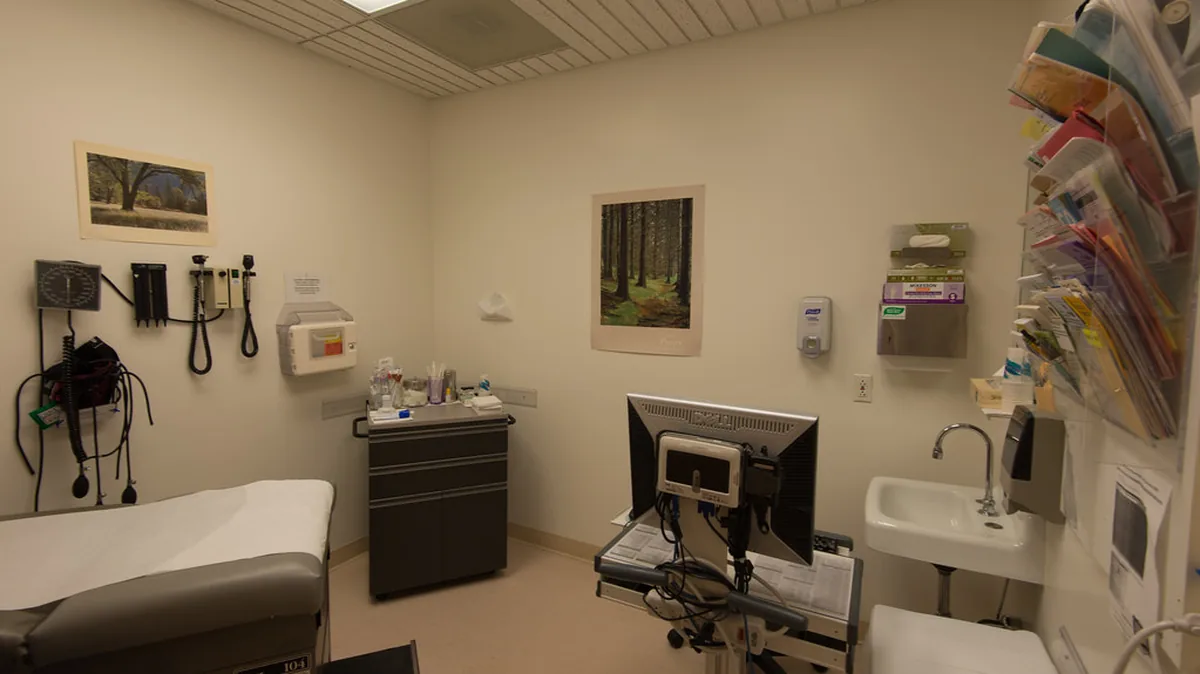
In September 2025, the DOT proposed adding fentanyl and norfentanyl to the standard drug testing panel. This would be the first new substance added to the DOT panel in years.
The current panel tests for marijuana, cocaine, opiates, amphetamines/methamphetamines, and PCP. Marijuana remains the most common substance detected — accounting for roughly 52-60% of all positive results in the FMCSA Drug & Alcohol Clearinghouse.
Separately, the final rule allowing oral fluid testing (as an alternative to urine) has been effective since June 2023, but implementation is waiting for HHS to certify at least two laboratories. Full rollout is expected late 2026 at the earliest.
What This Means for Moving Companies
If you employ CDL drivers, your drug testing program will need to include fentanyl screening once the final rule takes effect. Start talking to your testing provider now about timeline and costs. The change is coming — it's a matter of when, not if.

CSA Safety Scoring Overhaul
FMCSA is overhauling its Compliance, Safety, Accountability (CSA) Safety Measurement System. The changes affect how every carrier's safety record is calculated and compared.
What's Changing
- BASICs renamed to "safety categories"
- 959 violations consolidated into 116 violation groups (plus 14 additional violations not previously tracked)
- New "proportionate percentile" methodology: Uses exact inspection and crash counts instead of rigid safety event groups. This creates smoother scoring, especially for small fleets
- 12-month recency requirement: Your percentile is only calculated if you have at least one roadside violation in a category within the past 12 months
Preview Your New Scores
FMCSA offers a preview tool at csa.fmcsa.dot.gov/prioritizationpreview. Check it. If your scores are worse under the new methodology, you have time to address violations before the new system goes live.
HHG Consumer Protection Rules Already in Effect
While the knowledge exam is still proposed, several household goods consumer protection rules from the 2022 interim final rule are already in effect. Make sure you're compliant:
- Weight estimate threshold raised from 1,000 lbs to 3,000 lbs
- Written explanation required when converting volume estimates to weight
- Binding arbitration required for disputes under $10,000
- Tariff publication requirement
- Cargo liability insurance maintenance requirement
If you're an interstate mover and aren't following these, you're already out of compliance.
State Requirements: The Other Layer
ⓘ Photo by Oregon Department of Transportation, CC BY 2.0
Federal rules are only half the picture. Most states require some form of license or permit for intrastate moving companies, with requirements that vary widely.
| State | Regulator | Key Requirement |
|---|---|---|
| California | BHGS | Separate state license for intrastate movers |
| Texas | TxDMV | TxDMV certificate number for intrastate operations |
| Florida | Dept. of Agriculture | Annual registration + $0.60/lb minimum liability |
| New York | NYDOT | USDOT number required even for intrastate-only |
| Illinois | Commerce Commission | State operating authority + proof of insurance |
If you do both interstate and intrastate moves, you need to comply with both federal FMCSA rules AND your state's requirements. Check your state's specific requirements on FMCSA's site.
Your Compliance Checklist for 2026
Here's what to do right now, in priority order:
This week:
- Check if any of your ELDs are on the revoked list. If yes, order replacements immediately.
- Log into FMCSA's Clearinghouse and run annual queries on all CDL drivers (required by law).
- Verify your FMCSA Portal account information is accurate.
This month:
- Preview your new CSA safety scores and address any violations that look worse under the new methodology.
- If you use a broker, confirm their surety bond is compliant under the new financial responsibility rule.
- Review your drug testing contract — ask your provider about fentanyl panel readiness.
By mid-2026:
- Create your MOTUS account when it opens to all carriers. Have your Login.gov credentials and identity documents ready.
- Monitor the HHG knowledge exam NPRM when it publishes. Submit comments if the proposed requirements affect your operations.
The cost of non-compliance is not theoretical. Out-of-service orders stop your trucks. Clearinghouse violations ground your drivers. Operating authority suspensions shut down your business. Stay ahead of these deadlines or they'll catch up to you.
Running a moving company means keeping up with regulations that change every year. MoverGrid tracks compliance deadlines, manages driver documentation, and keeps your operations organized — so you can focus on moving, not paperwork.